Tools of the Trade
As a designer, I never thought I’d get away from the pixel by pixel craft. I remember the days of MS Paint, where I created art dot by dot. I grew up in the days of Geocities, MySpace, and connecting to AOL through a dial-up connection. It was the edge of analog and digital blending together and I had a taste of growing up in the 1900s.

We all had a friend in Tom
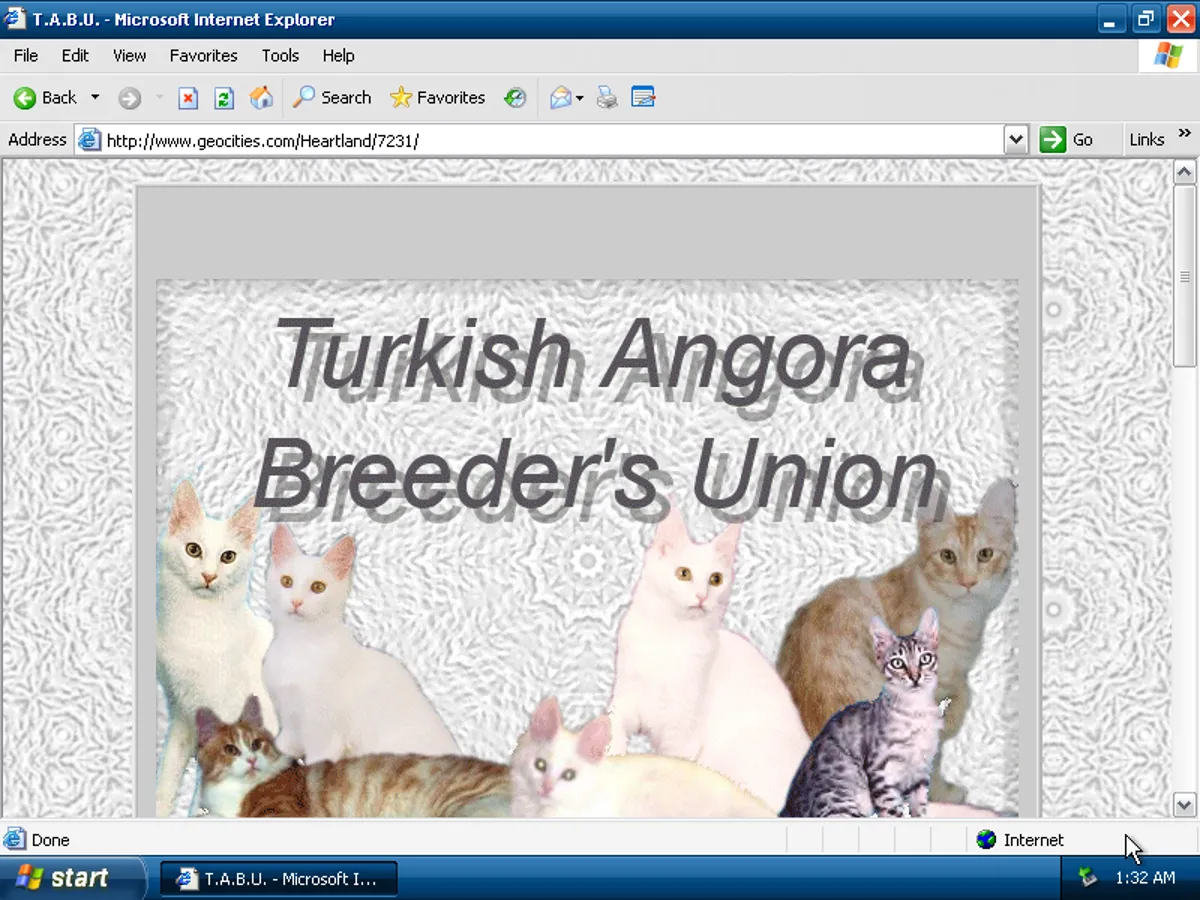
Geocities made your website fever dreams come true
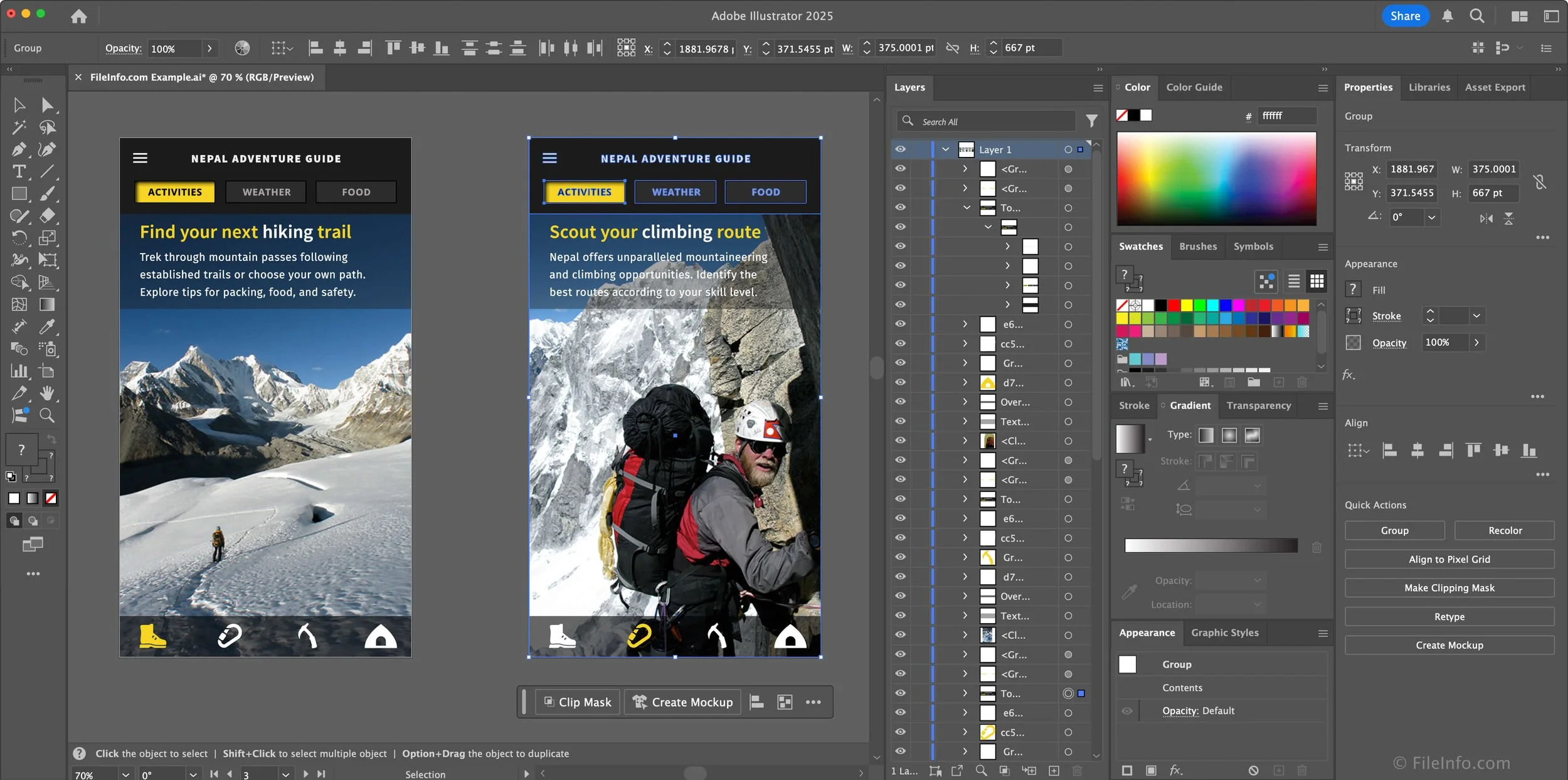
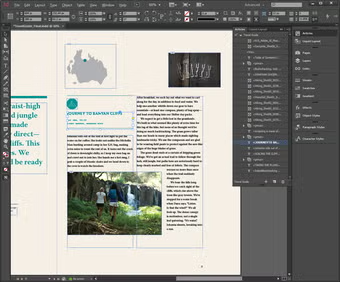
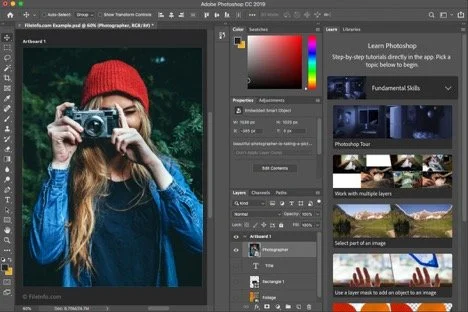
Being connected to the matrix at a young age (A/S/L anyone?), I grew up morphing my physical world into a digital realm. Having eventually graduated to PhotoShop, Illustrator and InDesign, I had tools to manipulate the sky so it popped more, remove a blemish by cloning a blemish-free spot, and vectorize a photo into a logo. Long before facetune. All had been the tools of my trade for over a decade as a graphic designer. As I moved into UX work, I remember being introduced to a whole new suite of software. From InVision, to Adobe XD, Sketch and the sweetheart of the group: Figma. When I landed my first UX role at an agency, I didn’t even know how to use Figma, but that’s the bet the agency placed on tooling. With all the other tools I juggled through, it was much better settling into a single tool that met most of my needs and indeed had a lower learning curve. Its usability proved well and it became another tool to add for my trade.
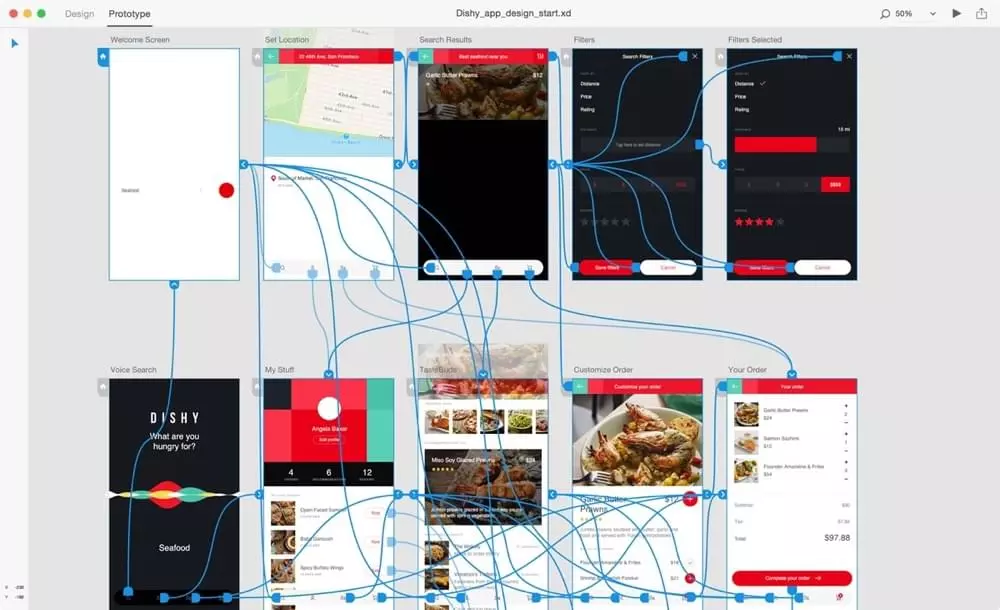
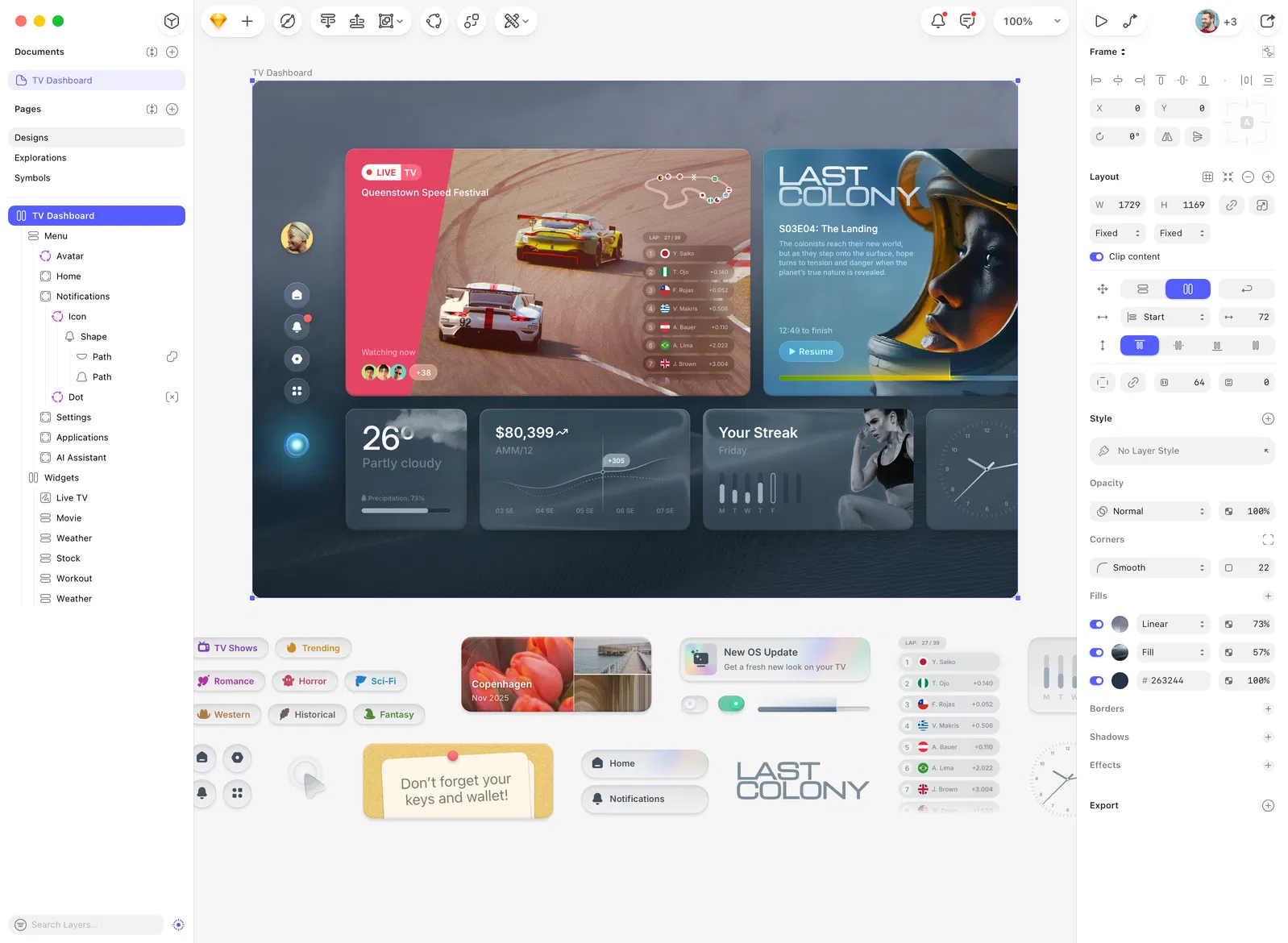
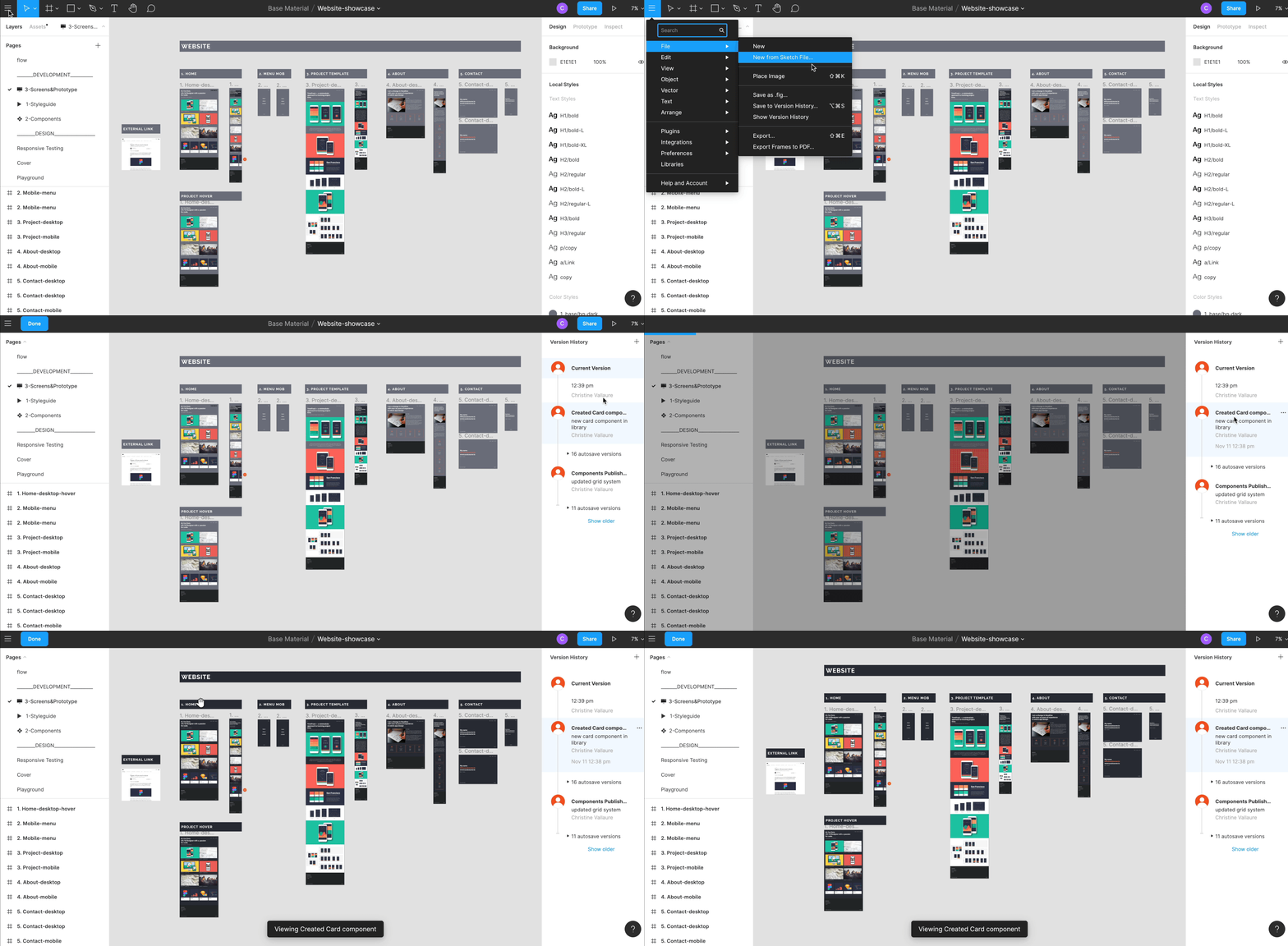
Figma was a
I could gush about Figma. It helped me moved quicker. Especially with the evolution of design systems and thinking in components and global assets. It also helped to break content and patterns into reusable pieces which helped with maintaining standards and quality assurance. It was a warm and fuzzy time. Things were simple and usable. Then it started morphing into a product. The UI started changing: this panel was moved here and that was hidden there. Having to relearn things were was normal with software, things get updated. With Adobe, I remember they would be adding new features that enhanced my existing workflows. Even when they started drizzling in new AI features, it was pretty neat. With Figma, I felt the shift towards monetization. With changes in pricing models, they added Slides and Make and AI features this and that. It felt bloated, confusing, and I hate that a once darling of a tool became another victim of product led growth.
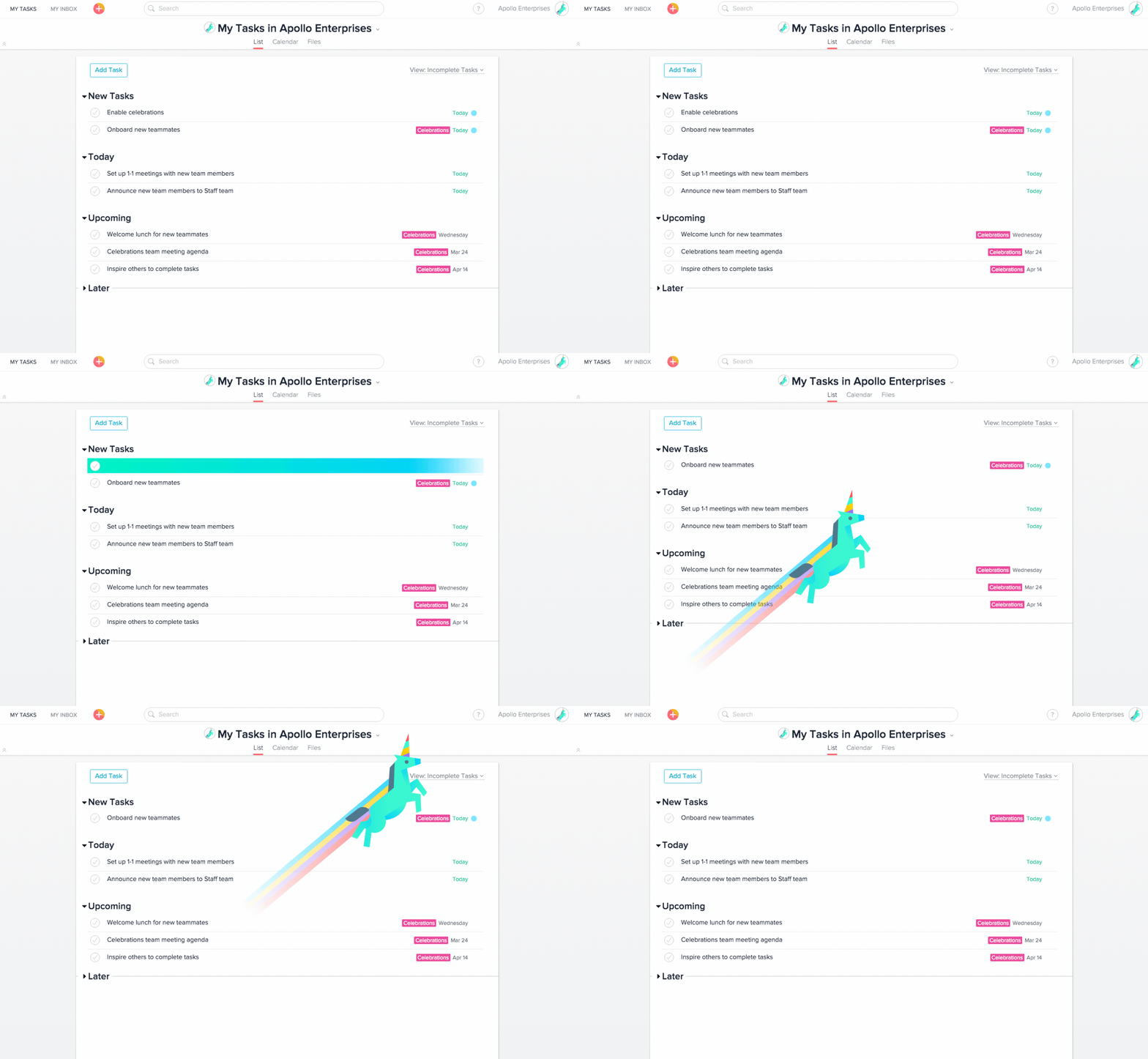
Gotta love a unicorn flying feature for user delight. I wonder how much funner this makes it for product managers to work in Asana
There’s a constant push to be “productized” and “growth-oriented” and all these buzz words that get invented (like vibe coding) and there’s always something new you need to learn before you get automated by AI and you can listen about it on Lenny’s podcast or sign up for a class in Maven. If you couldn’t tell, there’s a lot of noise in my feed, my algorithm, my notifications, my wall, my inbox, and the list goes.
From growing up with simple software that was designed to do something that helps users, late stage software is frustrating as a user and designer. I will eventually talk about my experience with vibe coding, but as an observer and relic of the days of analog, the vibe is shifting. It’s important to acknowledge the shift to understand its impact and what implications it might have. As a designer, I inherently think about systems and how it all might ripple out so I want to take this opportunity to not only catalog my experience with vibe coding, but learn about it from all angles.
In this age of high frequency everything, do the tools make the maker or does the maker make the tools? How does vibe coding change the way we learn, think, communicate? How might we benefit from it and at what cost? Who am I becoming from using this tool?
To be continued.
